
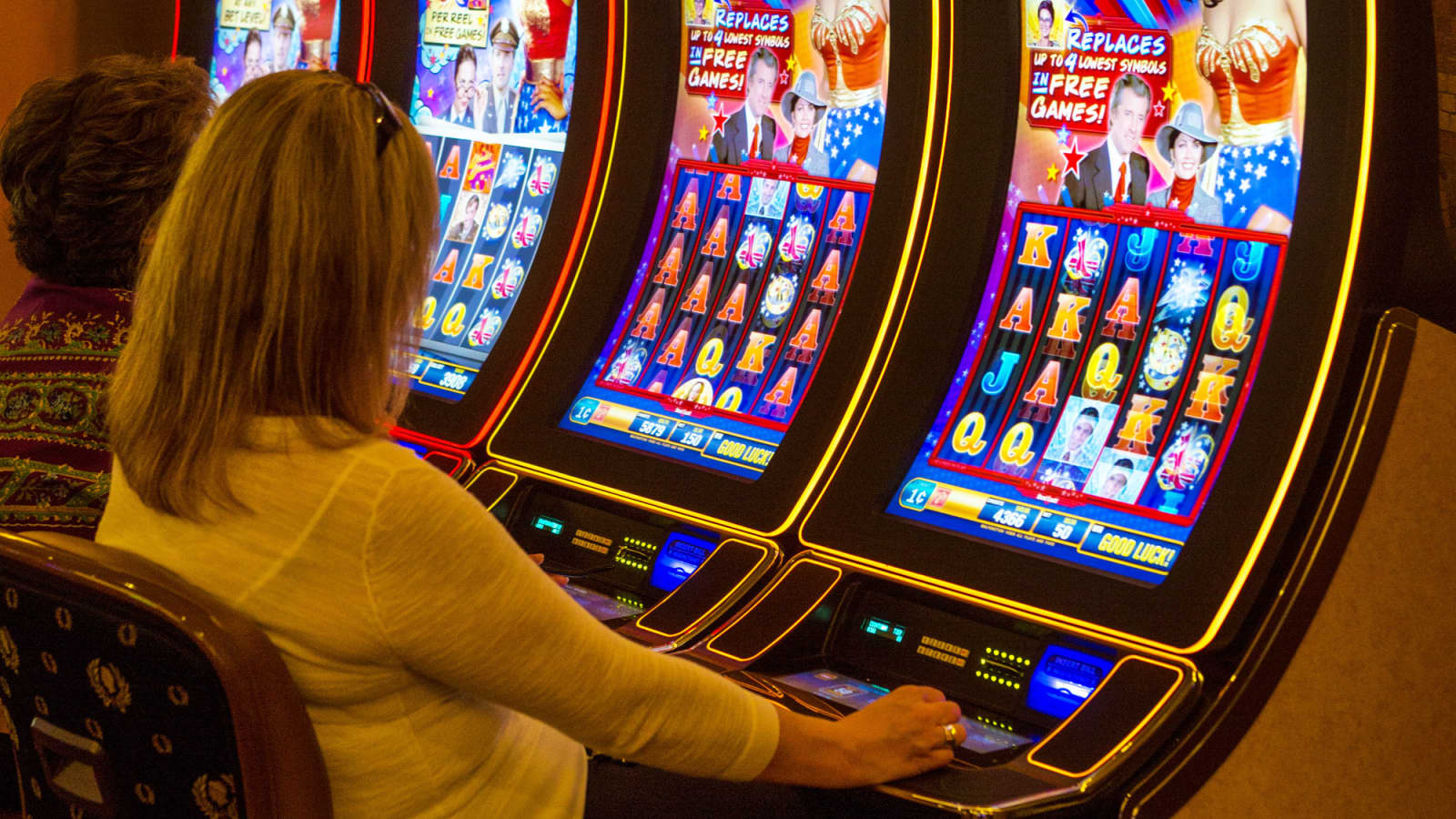
We have spent extensive time within Slotzy Casino’s platform, and one pattern emerges clearly: your session results are never a flat line https://slot-zy.com/. Some days the reels seem generous, cascading wins come in clusters, and bonus rounds trigger with an almost mechanical rhythm. Other sessions drain a deposit with barely a feature in sight. This oscillation confuses players who assume a casino behaves like a simple mechanical device. The reality is far more complex. Slotzy Casino sits at the intersection of complex mathematics, server-side logic, and deliberate psychological design. Understanding why your results change requires revealing those layers. We are going to examine the actual mechanisms—from certified random number generators to the volatility models embedded in every title—so that you can begin your next session with clear-eyed expectations instead of superstition.
Bonus Round Rate and Allocation
Bonus rounds are the central element of modern slot play, and their hit rate is another major variance factor. Each game defines a expected bonus frequency—commonly 1 in 180 to 1 in 400 spins—but this is a long-term average. We have seen sessions where a bonus hit within the first ten spins and others where we played through 600 spins without hitting a scatter combination. Both extremes lie comfortably within the expected probability distribution because the RNG does not record how long you have been waiting and does not guarantee you a feature. Every spin carries the same independent chance of activating the bonus regardless of what happened on the previous five hundred attempts. Slotzy Casino also features titles with buy-in options, where you pay a lump sum—typically 50x to 100x your base stake—to jump directly into the bonus round. This avoids triggering variance but introduces a different fluctuation source: the bonus outcome itself remains highly variable. We bought several features and saw returns spanning from 8x to 420x the buy cost. Investing £50 for a bonus that pays £4 feels tough, but the feature-buy RTP still settles toward its stated value over volume. The mechanic simply shifts variance from the trigger phase to the resolution phase without eliminating fluctuation.
Game Providers and Mathematical Model Variations
Slotzy Casino combines content from numerous game studios, each constructing its mathematical models with unique philosophies. Pragmatic Play games gravitate toward high-volatility, high-reward structures with regular feature-buy options. NetEnt games frequently mix medium volatility with polished bonus mechanics that activate at moderate intervals. Play’n GO slots frequently employ complex multi-level features where the actual payout potential lies behind multiple layers of progression. When you jump between providers during a one session, you are effectively switching between completely different mathematical engines, and your results will reflect that disjointed sampling. We spent one evening cycling through five providers and watched our balance chart draw a jagged, volatile path: a severe run on a Push Gaming title was immediately followed by a consistent recovery on a lower-variance NetEnt classic. Neither sequence was flawed; we had simply exposed ourselves to two distinct volatility profiles consecutively. The platform’s aggregation model, while superb for variety, creates a natural fluctuation amplifier because players seldom settle on one mathematical model adequately for the law of large numbers to apply any leveling effect.
Accountable Gaming Parameters and Navigating Variance
All we have outlined points toward a one practical conclusion: swings is unavoidable, but your response to it is within your control. Slotzy Casino provides a suite of responsible gambling options that act as fluctuation management controls, and we observed them executed effectively with updates taking effect instantly. The following tools let you define hard parameters that keep variance from running wild across an entire night.
- Deposit maximums: Limit your exposure to any single downswing by defining day-to-day, per week, or monthly maximums.
- Loss limits and session timeouts: Set up hard boundaries that stop play without manual input once a predetermined loss cap or time cap is hit.
- Session awareness timers: Break engaging sessions at intervals you define, prompting a balance review that breaks the trance mode where pursuing losses appears instinctive.
We also observed that the game lobby presents volatility data and maximum win capability for most slots, though this data is sometimes buried in the game rules rather than surfaced on the thumbnail. Devoting thirty seconds to look at a game’s volatility rating before starting it is a small habit that delivers enormous benefits in expectation consistency. When you understand a slot has a “very high” volatility label and a 5,000x max win, the dry stretches stop feeling like a letdown and begin feeling like the normal characteristic of that particular mathematical structure. Matching this awareness with firm session parameters changes variance from a cause of worry into a neutral trait you have already accounted into your entertainment allocation.
Stake Size and Emotional Reading of Fluctuations
The actual size of your stake dramatically colours how you view result fluctuation, even though it does not alter the underlying probabilities. We tried identical games at Slotzy Casino using minimum stakes of £0.20 and then again at £2.00 per spin. The mathematical return structure is identical—the RNG does not adjust based on your wager level—but the emotional experience differs sharply. At £0.20, a ten-spin losing streak costs £2 and hardly registers. At £2.00, that same streak removes £20 from your balance in under a minute, and the sensation of the game “eating” your deposit becomes palpable. The fluctuation has not changed; your exposure to it has. The interface allows rapid stake adjustment, and we noted that players frequently raise their bet size after a win to chase momentum, then experience a disproportionately painful correction when variance turns. This behavioural pattern magnifies the perception of wild swings because the losses arrive at an elevated stake while the wins that preceded them were accumulated at a lower one. Handling stake selection as a volatility lever in its own right—smaller bets flatten monetary impact—lets you ride out dry spells without emotional decision-making taking over.
FAQ
Is Slotzy Casino manipulate results during promotional periods?
No. Each game outcome is decided by provider-controlled Random Number Generators that are independently certified and audited. Promotional mechanics such as deposit matches or free spins add extra funds or spins but do not communicate with the game servers to alter payout behaviour. The RNG operates identically whether you play with bonus cash or deposited funds. Any perceived change in win frequency during promotions is almost always a function of increased play volume exposing you to more variance cycles, not platform interference. Regulatory oversight from the UK Gambling Commission makes such manipulation illegal and technically impossible under the current server-side architecture.
Key Regulatory Safeguard
All games operate under a licence that requires continuous RNG certification, meaning the platform cannot dynamically adjust returns based on your account status, deposit history, or active promotions. The fluctuation you notice during bonus play is natural variance amplified by a larger effective bankroll.
Why do I sometimes win more on older slots than new releases?
Older slot titles often use lower-volatility mathematical models that favor frequent small wins over rare massive payouts. Newer releases tend toward high-volatility structures because the market currently favours big-potential gameplay. When you transition from a five-year-old medium-volatility game to a brand-new high-volatility title, your short-term results will naturally change. The older game returns smaller amounts more regularly, creating a smoother balance curve. The newer game holds back returns during base play to fund enormous bonus-round potential. Neither title is looser or tighter; they simply distribute their RTP across different time horizons and win-size distributions.
Can changing my stake size improve my results?
Adjusting your stake does not alter the underlying return probability at Slotzy Casino. A £0.20 spin and a £2.00 spin on the same title run through identical RNG processes and hit the same paytable proportions. However, stake size dramatically affects session dynamics because it determines how quickly variance consumes your balance. A smaller stake prolongs your playtime and lets you ride through natural dry spells without depleting your funds. A larger stake concentrates the same mathematical experience into fewer spins, amplifying the emotional impact of both winning and losing streaks. Stake adjustment is a bankroll management tool, not a results hack.
How long should I play a single game to see its true RTP?
To consider a game’s advertised RTP with any statistical accuracy, you would need to complete hundreds of thousands of spins—far beyond what a typical recreational session covers. Most players will never reach the spin volume where personal RTP converges closely with theoretical RTP. A weekend of play spanning a few thousand spins can still produce personal return figures wildly above or below the advertised number. This is not a defect in the game or the platform; it is simply the nature of short-sample variance. We recommend treating RTP as a long-run theoretical benchmark rather than a prediction for any individual session.
Do bonus-buy features diminish the fluctuation I encounter?
Bonus-buy features remove the variance associated with waiting for a bonus to trigger naturally, but they introduce a different form of fluctuation. When you cover a fixed cost—typically 50x to 100x your base stake—you are guaranteed entry into the bonus round, yet the outcome of that round remains highly variable. You might obtain a return of 10x your buy cost or 500x. Over many buys, the average should trend toward the feature-buy RTP, but short sequences can be extremely volatile. Buying features essentially swaps triggering variance for resolution variance and does not produce a smooth, predictable return curve.
We have examined the layered architecture behind every game at Slotzy Casino, from the cold mathematics of certified RNGs to the psychological weight of bet sizing and marketing appeal. Fluctuation is not a malfunction or an indication of unfair play. It is the natural hallmark of genuine randomness operating across short timescales, amplified by the volatility profiles you choose and the behavioural patterns you contribute to each session. The platform provides the tools and transparency to handle that variance on informed terms. Once you grasp that hot streaks and losing runs are both transient variations from a long-term average, the experience transforms from a battle against unknown forces to a strategic entertainment decision with defined parameters.
The Core Engine: Verified Random Number Generators
Each spin you take at Slotzy Casino operates via a Random Number Generator that functions continuously, even when nobody is playing. This RNG produces thousands of numerical sequences per second, each one mapping to a specific reel position or card outcome. The instant you click “spin,” the system pulls the most recent number in that stream and translates it into a visible result. Crucially, the RNG has no memory. It does not know you just lost twelve spins in a row, nor is it concerned that you raised your stake. The algorithm is independently audited by testing bodies that check its output distribution corresponds to true statistical randomness over millions of cycles. This certification ensures that the fluctuations you experience are not orchestrated manipulation but genuine variance operating via a fair system. True randomness creates streaks that feel anything but random to the pattern-seeking human brain. Five dead spins in a row provoke an instinctive “rigged” reaction, but a certified RNG naturally produces clusters of losses and wins exactly because every outcome is independent. Short-term play constitutes a tiny window where extreme deviation from the theoretical average is not merely possible but statistically likely, and that deviation is the primary source of the balance swings you feel.
Server Processing, Delay, and Promotional Credit Influence
Slotzy Casino’s games operate predominantly on provider-controlled servers, rather than inside your browser. When you click spin, your device submits a request to a remote server that produces the outcome using its certified RNG and returns the result to your screen. This architecture is common for regulated UK-facing platforms and assures the casino operator cannot meddle with outcomes locally. However, any brief latency spike can produce an illusion that the platform is “thinking” or deciding whether to award a win, reinforcing the gambler’s fallacy that timing impacts results. In reality, the server determined your result the instant it got your request; delays are connection lag or animation loading, and quick-spin modes simply eliminate the cosmetic waiting period. Together with these technical factors, promotional mechanics modify your effective balance curve without affecting game mathematics. Deposit matches, free-spin bundles, and cashback offers inject extra ammunition that lengthens your session and subjects you to more variance cycles. A session indicating a £30 loss might actually signify a £70 game-level loss partially balanced by a £40 bonus credit. Psychologically separating game results from promotional injections assists you assess why your balance fluctuates, because the games themselves remain indifferent to whether your funds came from a deposit or a bonus wallet.
Return to Player Percentages Throughout Different Timescales
Each slot at Slotzy Casino features a stated Return to Player figure, typically spanning 94% and 98%. RTP is a mathematical calculation derived from billions of virtual spins, stating that for every £100 wagered throughout the full lifetime of a slot, the game returns £96 to the player pool. That £96 is not distributed evenly. One player might extract £400 from a one bonus buy while another loses a complete £50 deposit without triggering a feature, and both outcomes contribute to the identical long-run average. Your own session RTP can fluctuate wildly—30%, 200%, or perhaps 0%—and still be fully consistent with the verified maths over a brief horizon. We tracked our own sessions and observed personal RTP bounce from 42% on a tough morning to 187% during a fortunate evening run, with neither extreme pointing to a faulty game or real-time payout tampering. The marketed RTP only grows relevant after hundreds of thousands of spins, a volume a recreational player could not achieve in years. Until that stage, fluctuation is the dominant experience. Slotzy Casino gathers thousands of players simultaneously, bringing collective results closer to the expected average, but your separate slice of that data will always look chaotic. Embracing this timescale reality is the single most important mental shift for comprehending result swings.
Volatility Models and Their Effect on Your Bankroll
RTP tells you how much a game returns over aeons; volatility reveals how it delivers those returns along the way. Slotzy Casino’s library spans the full spectrum from low-volatility classics to extreme high-volatility modern titles, and your choice here dictates the shape of your fluctuation. Low-volatility games generate frequent small wins that keep your balance ticking over with minimal drama, while high-volatility slots swallow stake after stake for fifty or sixty spins, then suddenly provide a 500x multiplier that recalibrates the session’s maths in one violent correction. Many players gravitate toward high-volatility blockbusters because the bonus-round potential is seductive, but they then display shock at the brutal dry spells between features. That shock is simply the volatility model working exactly as designed: the paytable assigns a huge chunk of its theoretical return to rare top-end events, so the base game must run lean. Below we summarise the two extremes you will encounter.
- Low volatility: Frequent small wins, rare dead streaks, modest top prizes. Ideal for steady play with fewer emotional swings.
- High volatility: Long losing sequences punctuated by large multipliers. Bonus rounds carry enormous potential but may not appear for hundreds of spins.
Choosing a title with a 96% RTP and a “very high” volatility rating means you are signing up for a rollercoaster where your balance chart looks like a slowly declining line punctuated by occasional vertical spikes. Knowing this before you start a game stops the feeling that the platform has suddenly switched off the wins.